
Laparoscopic surgery is a minimally invasive procedure performed using small incisions, a camera (laparoscope), and specialized surgical instruments. Experienced surgeons such as Dr. Tarun Mittal at WeightLose Clinic, widely regarded as the Best Laparoscopic Surgery Center in Delhi, commonly use this advanced technique to ensure precise treatment and faster recovery for patients. Below is a step-by-step explanation of what typically happens during the surgery.
1. Pre-Surgical Preparation
Patient evaluation
Medical history and physical examination are reviewed.
Necessary blood tests, imaging, and fitness assessments are conducted.
Fasting guidelines
Patients are usually asked not to eat or drink for 6–8 hours before surgery.
Consent and briefing
The surgeon explains the procedure, risks, and expected recovery.
At advanced centers, experts like Dr. Tarun Mittal often guide patients through the entire process to ensure clarity and confidence.
2. Administration of Anesthesia
General anesthesia is given
The patient is made unconscious to ensure a pain-free procedure.
Monitoring begins
Heart rate, oxygen levels, and blood pressure are continuously monitored throughout surgery.
3. Creation of Small Incisions
Tiny cuts on the abdomen
Usually, 0.5–1 cm small incisions are made near the surgical area.
Placement of surgical ports
Hollow tubes (trocars) are inserted through these incisions to allow surgical instruments to pass inside.
4. Inflation of the Abdomen (Insufflation)
Carbon dioxide gas is introduced
The abdomen is gently inflated to create space for better visibility and movement.
Improved visualization
This step helps surgeons clearly see internal organs without large cuts.
5. Insertion of the Laparoscope
Camera-guided visualization
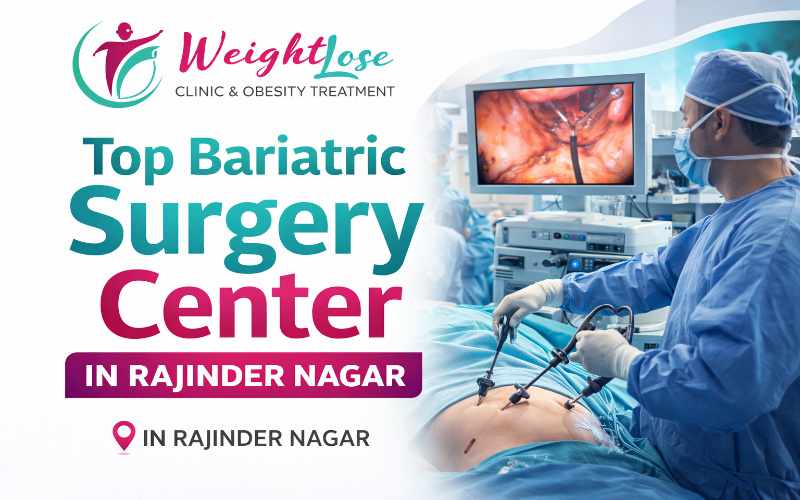
A laparoscope (a thin tube with a camera and light) is inserted through one incision.
Real-time imaging
The camera sends high-definition images to a monitor, guiding the surgeon during the procedure.
6. Performing the Surgical Procedure
Use of specialized instruments
Fine surgical tools are inserted through other small incisions.
Precise surgical actions
The surgeon carefully performs the required treatment such as removing an organ, repairing tissue, or treating a condition.
Minimal tissue damage
Because movements are precise, surrounding tissues remain largely unaffected.
7. Completion of Surgery
Removal of instruments
All surgical tools and the laparoscope are carefully withdrawn.
Release of gas
The carbon dioxide gas is released from the abdomen.
Closing the incisions
Small incisions are closed using stitches, surgical glue, or tape.
8. Immediate Post-Surgery Monitoring
Recovery room observation
The patient is shifted to a recovery area for monitoring until the anesthesia wears off.
Pain and vitals check
Medical staff monitors pain levels, breathing, and blood pressure.
Early mobilization
Patients are often encouraged to start walking within a few hours to prevent complications.
9. Key Advantages Observed During the Procedure
Smaller incisions and minimal scarring
Reduced blood loss during surgery
Lower risk of infection
Greater surgical precision with camera guidance
Faster recovery and shorter hospital stay


















Write a comment ...