
Choosing to undergo weight loss surgery is a major life decision that requires careful evaluation of your health, lifestyle, and long-term goals. At WeightLose Clinic, this process is guided by expert care and personalized assessment to ensure the best outcomes. Sleeve gastrectomy surgery is one of the most popular and effective bariatric procedures, but it may not be suitable for everyone.
1. Understanding Sleeve Gastrectomy
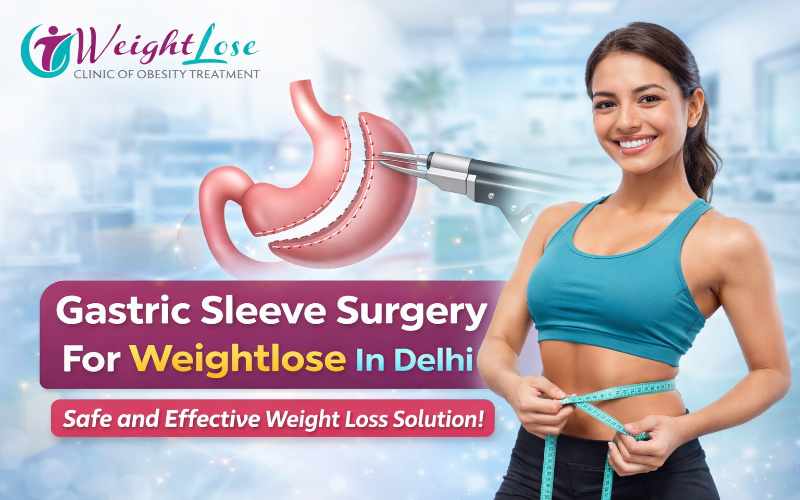
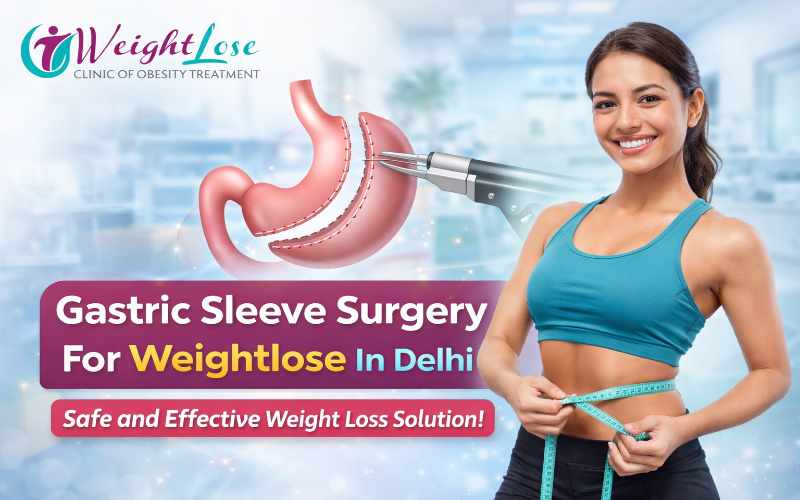
➤ What the Procedure Involves
Removal of approximately 75–80% of the stomach
The remaining stomach forms a sleeve-like structure
Reduces food intake and hunger hormones
➤ How It Works
Limits portion size
Reduces appetite by lowering the ghrelin hormone
Helps in sustainable long-term weight loss
2. Who is an Ideal Candidate?
➤ Based on Body Mass Index (BMI)
BMI of 40 or higher (severe obesity)
BMI of 35+ with health conditions like:
Type 2 diabetes
High blood pressure
Sleep apnea
➤ Based on Weight Loss History
Tried diet and exercise without long-term success
Struggling with repeated weight regain
➤ Based on Commitment Level
Willing to follow lifelong dietary changes
Ready for regular exercise and follow-ups
At WeightLose Clinic, doctors carefully evaluate all these factors before recommending surgery.
3. Health Conditions That Benefit from Surgery
➤ Metabolic Disorders
Type 2 diabetes improvement or remission
Better insulin sensitivity
➤ Cardiovascular Health
Reduced risk of heart disease
Lower cholesterol and blood pressure
➤ Other Conditions
Relief from joint pain
Improvement in PCOS symptoms
Better sleep quality (sleep apnea reduction)
4. Who Should Avoid Sleeve Gastrectomy?
➤ Medical Contraindications
Severe heart or lung disease (high surgical risk)
Untreated gastrointestinal disorders
Chronic alcohol or substance abuse
➤ Psychological Factors
Untreated depression or eating disorders
Lack of readiness for lifestyle changes
WeightLose Clinic includes a psychological evaluation as part of the screening process.
5. Benefits of Sleeve Gastrectomy
➤ Physical Benefits
Significant weight loss (60–70% excess weight)
Improved mobility and energy levels
➤ Medical Benefits
Reduced dependency on medications
Improvement in obesity-related diseases
➤ Lifestyle Benefits
Better confidence and self-image
Enhanced quality of life
6. Risks and Considerations
➤ Surgical Risks
Infection
Bleeding
Leakage from the stomach
➤ Long-Term Considerations
Vitamin deficiencies
Acid reflux in some patients
Need for lifelong follow-up
At WeightLose Clinic, advanced surgical techniques and monitoring minimize these risks.
7. Pre-Surgery Preparation
➤ Medical Evaluation
Blood tests
Imaging and health screening
Nutritional assessment
➤ Lifestyle Preparation
Pre-surgery diet plan
Smoking/alcohol cessation
Mental readiness
8. Life After Sleeve Gastrectomy
➤ Dietary Changes
Start with liquids → soft foods → solids
Small, frequent meals
High-protein, low-sugar diet
➤ Physical Activity
Light walking initially
Gradual increase in regular exercise
➤ Long-Term Habits
Portion control
Hydration
Regular doctor visits











Write a comment ...