
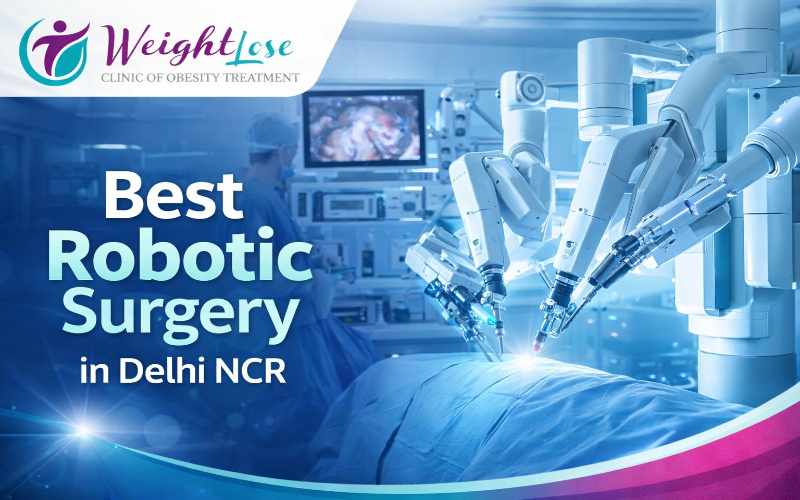
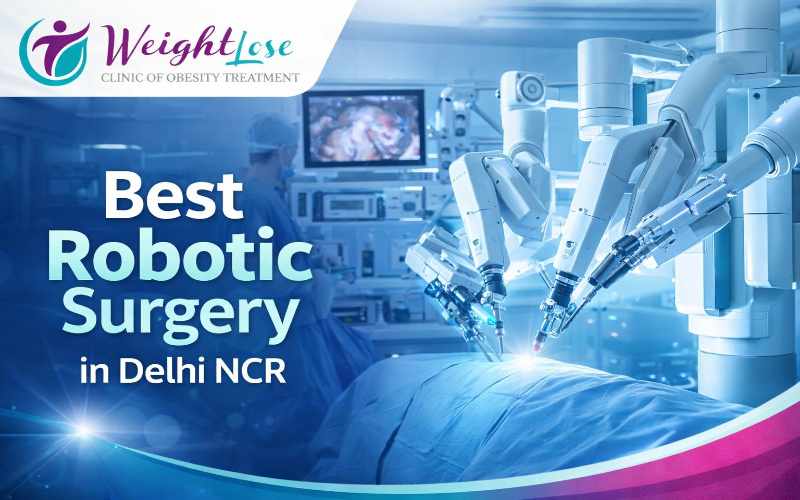
Robotic bariatric surgery, as practiced at WeightLose Clinic, is powered by a combination of advanced technologies that enhance precision, safety, and patient outcomes. Below is a structured breakdown of the key technologies used:
1. Robotic Surgical System
Master Console (Surgeon Control Unit)
The surgeon sits at a console and controls robotic arms.
Provides real-time control with hand, wrist, and finger movements.
Patient-Side Cart (Robotic Arms)
Holds surgical instruments and operates.
Mimics the surgeon’s movements with extreme precision.
Integrated Software System
Translates human motion into micro-movements.
Filters out hand tremors for better accuracy.
2. High-Definition 3D Visualization
3D HD Camera System
Provides a magnified, high-resolution view of the surgical area.
Enhances depth perception for better accuracy.
Enhanced Imaging
Allows surgeons to clearly identify tissues, nerves, and blood vessels.
Improves decision-making during complex procedures.
3. Advanced Surgical Instruments
EndoWrist Technology
Instruments can rotate more freely than the human hand.
Offers greater flexibility and range of motion.
Miniaturized Tools
Designed for minimally invasive procedures.
Enables surgery through tiny incisions.
Precision Cutting & Suturing Tools
Allows delicate handling of tissues.
Improves surgical outcomes.
4. Motion Scaling Technology
Movement Reduction
Large hand movements are scaled down into smaller, precise actions.
Enhanced Control
Ensures accuracy in delicate areas like the stomach and intestines.
Steady Operation
Eliminates natural human tremors.
5. Artificial Intelligence & Software Integration
Real-Time Data Processing
Assists in monitoring surgical progress.
Predictive Assistance
Helps surgeons make informed decisions.
Workflow Optimization
Improves efficiency during surgery.
6. Minimally Invasive Access Technology
Small Incision Techniques
Reduces trauma to the body.
Trocar Systems
Special ports that allow robotic instruments to enter the body.
Reduced Blood Loss
Enhances patient safety and recovery.
7. Energy Devices & Sealing Technology
Electrosurgical Tools
Used for cutting and coagulating tissues.
Vessel Sealing Systems
Safely seals blood vessels to prevent bleeding.
Thermal Control
Minimizes damage to surrounding tissues.
8. Real-Time Monitoring Systems
Vital Monitoring Integration
Tracks patient vitals throughout the procedure.
Surgical Feedback Systems
Provides continuous updates to the surgeon.
Safety Alerts
Warns about potential complications.
9. Ergonomic Surgeon Interface
Comfortable Console Design
Reduces surgeon fatigue during long procedures.
Enhanced Focus
Allows better concentration and precision.
Improved Performance
Leads to consistent surgical outcomes.
10. Data Recording & Analytics
Procedure Recording
Surgeries can be recorded for review and training.
Performance Analysis
Helps improve surgical techniques.
Training & Simulation
Used for educating new surgeons.
Robotic bariatric surgery is a perfect blend of innovation and medical expertise. From 3D visualization to AI-powered systems, each technology plays a crucial role in improving surgical precision and patient outcomes. With advanced centers like WeightLose Clinic adopting these technologies, patients can experience safer procedures and a smoother path toward a healthier life.
















Write a comment ...