
Weight loss surgery, also known as bariatric surgery, is a medical procedure designed to help individuals with obesity lose weight when traditional methods like diet and exercise have not been effective. Recognized as one of the best weight loss surgery centers in Delhi, clinics like WeightLose Clinic specialize in offering advanced, safe, and personalized bariatric treatments.
1. What is Weight Loss Surgery?
▪ Definition
A surgical procedure that helps reduce body weight by:
Limiting food intake
Reducing nutrient absorption
Altering hunger hormones
▪ Purpose
To treat severe obesity
To improve obesity-related health conditions
To enhance the overall quality of life
2. Types of Weight Loss Surgery
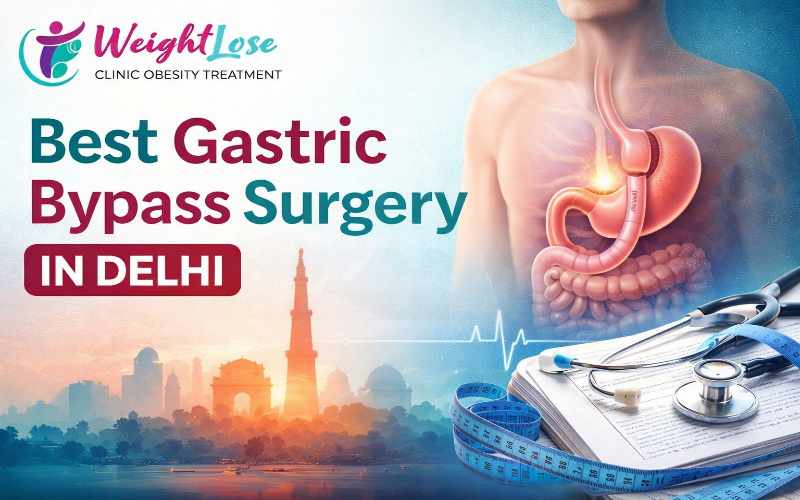
▪ A. Gastric Bypass (Roux-en-Y)
Procedure
Creates a small stomach pouch
Connects it directly to the small intestine
How it Works
Reduces calorie absorption
Limits food intake
Best For
Patients with severe obesity
Individuals with diabetes
▪ B. Sleeve Gastrectomy
Procedure
Removes about 70–80% of the stomach
How it Works
Reduces hunger hormone (ghrelin)
Limits portion size
Best For
Patients looking for a simpler procedure
Those with fewer complications
▪ C. Adjustable Gastric Band
Procedure
Places a band around the upper stomach
How it Works
Creates a small pouch to control food intake
Best For
Patients who want a reversible option
▪ D. Mini Gastric Bypass
Procedure
A simplified version of gastric bypass
How it Works
Combines restriction and malabsorption
Best For
Patients seeking faster results with shorter surgery times
▪ E. Biliopancreatic Diversion (Less Common)
Procedure
Removes part of the stomach and bypasses a large portion of the intestine
How it Works
Significantly reduces calorie absorption
Best For
Extreme obesity cases
3. Benefits of Weight Loss Surgery
▪ A. Physical Health Benefits
Significant and sustained weight loss
Improvement or cure of:
Type 2 diabetes
High blood pressure
Sleep apnea
Reduced risk of heart disease
▪ B. Mental & Emotional Benefits
Improved self-confidence
Reduction in anxiety and depression
Better body image
▪ C. Lifestyle Improvements
Increased mobility and energy
Better participation in daily activities
Enhanced quality of life
▪ D. Long-Term Health Outcomes
Increased life expectancy
Lower healthcare costs over time
Prevention of chronic diseases
4. Risks of Weight Loss Surgery
▪ A. Short-Term Risks
Infection
Bleeding
Blood clots
Reactions to anesthesia
▪ B. Long-Term Risks
Nutritional deficiencies
Gallstones
Hernia
Dumping syndrome (especially in gastric bypass)
▪ C. Lifestyle-Related Risks
Weight regain if the diet is not followed
Need for lifelong dietary discipline
Emotional adjustments
5. Who Should Consider Weight Loss Surgery?
▪ Eligibility Criteria
BMI of 40 or higher
BMI of 35+ with health conditions
Failed attempts at non-surgical weight loss
▪ Medical Evaluation
Physical health assessment
Psychological evaluation
Nutritional counseling
6. Recovery and Aftercare
▪ A. Immediate Recovery
Hospital stay of 1–3 days (depending on procedure)
Gradual return to normal activities
▪ B. Diet Progression
Liquid diet → Soft foods → Solid foods
Strict portion control
▪ C. Long-Term Care
Regular follow-ups
Vitamin and mineral supplements
Exercise routine
Weight loss surgery is a powerful and life-changing solution for individuals struggling with obesity. Choosing the Best Weight Loss Surgery Center in Delhi is equally important, as it ensures you receive expert guidance, proper care, and long-term support. However, it still requires careful consideration, professional advice, and a strong commitment to lifestyle changes.
With the right support system—such as that provided by WeightLose Clinic—patients can achieve long-term success, improved health, and a better quality of life.

















Write a comment ...